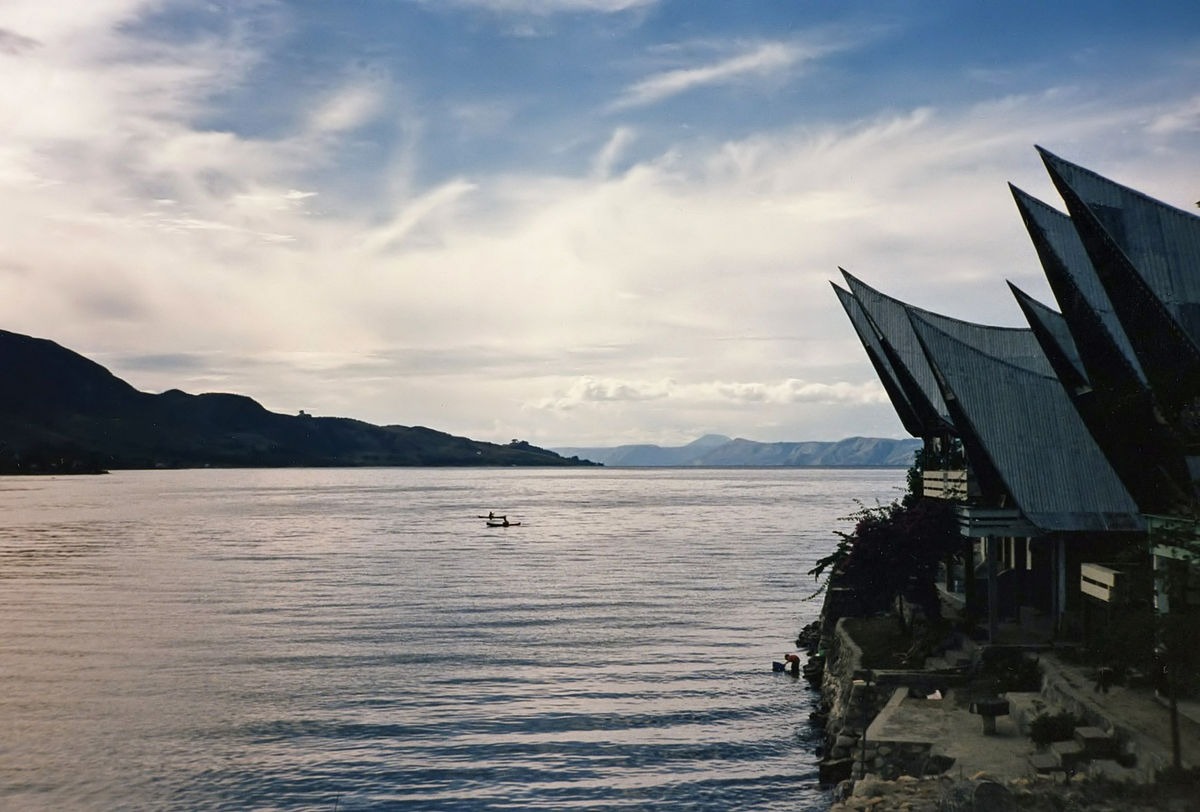
Kodi
Kodi, at the southwestern tip of Sumba, is one of the territories where Marapu culture is best preserved: villages with giant thatched roofs, megalithic tombs, and the equestrian Pasola ritual held between February and March.
Kodi is a region in the southwestern part of Sumba Island, in East Nusa Tenggara Province. It is known for its traditional villages with monumental thatched roofs, its still-vibrant animistic Marapu rites, and wild beaches battered by the Indian Ocean. It is one of the territories where Sumbanese culture has been preserved in its most intact form, far removed from mass tourism circuits.
What to See
Kodi's landscape alternates between dry savanna, hills, and Indian Ocean coastline. Traditional villages — kampung — are recognized by their stilt houses topped with conical roofs of dried grass that can exceed thirty feet in height. Megalithic stone tombs occupy the center of villages, bearing witness to ancestors honored according to the Marapu religion.
History and Context
Sumba remained isolated from the major trading routes of the archipelago for centuries. Sumbanese society is organized into noble clans (maramba), free men, and former slaves. In Kodi, the Marapu tradition — the veneration of ancestors and spirits — structures every aspect of life: house construction, agriculture, marriages, and funerals. The Dutch only established effective control over the region in the early twentieth century.
Highlights of a Visit
Villages with Conical Roofs
Several kampung in the Kodi region retain their original architecture. The monumental roofs serve as rice granaries and symbolic dwellings of ancestors. Visiting a village requires introducing yourself to the chief and presenting a modest offering (betel, tobacco) as a sign of respect.
Megalithic Tombs
Carved stone burials, sometimes adorned with geometric patterns or human representations, are arranged throughout village centers. Some slabs weigh several tons and were carried by hand during collective ceremonies.
Kodi's Coastline
The southwestern coast of Sumba offers white sand beaches rarely visited by tourists, dramatic cliffs, and turbulent seas. Pero Beach is one of the more accessible spots in the area and attracts some surfers during season.
Pasola
Pasola is a warrior ritual on horseback organized annually between February and March across several districts of Sumba, including Kodi. Riders in traditional dress clash by hurling blunted spears. The exact date is determined by Marapu priests according to the emergence of sea worms known as nyale. It is one of Indonesia's most spectacular cultural events.
Etiquette and Visiting Rules
- Ask for permission before entering a village and before photographing people or tombs.
- Welcome offering: bringing betel (sirih pinang) or tobacco is an expected gesture of courtesy.
- Appropriate dress: shoulders and knees covered when visiting villages, especially during ceremonies.
- Tombs: do not sit on or walk across gravestones.
- Marapu ceremonies: attendance is often possible if invited, but remain discreet and do not photograph without explicit permission.
Photography Tips
Golden morning light brings out the thatched roofs and tombs beautifully. Photograph villages early, before heat haze whitens the sky. During Pasola, a telephoto lens is useful for capturing riders from a distance. Always ask residents for permission before photographing them.
Location and Access
Kodi is located at the southwestern tip of Sumba. The nearest airport is Tambolaka (Southwest Sumba), served by flights from Bali and Kupang. From Tambolaka, Kodi is accessible by car on a partially paved road. Renting a vehicle with driver is the most practical solution; public transport is scarce and slow. Village roads are often dirt and become impassable by ordinary car after heavy rain.
Nearby Attractions
- Waikabubak — capital of West Sumba, with its own traditional villages and megalithic tombs scattered throughout the city.
- Anakalang — district renowned for its funeral ceremonies and megaliths among the most impressive on Sumba.
- Pero Beach — wild beach at the edge of Kodi, a starting point for surfing and sunsets over the Indian Ocean.
Frequently asked questions
The dry season, from April to November, makes travel easier on dirt tracks. To attend Pasola, visit between February and March, during the rainy season: roads can be difficult, but the event is worth the journey.
The date is announced just days in advance by Marapu priests. Inquire with a local agency in Tambolaka or Waikabubak upon arrival in Sumba. Build flexibility into your schedule.
A local guide fluent in Sumbanese or Indonesian is highly recommended. They facilitate introductions to village chiefs, explain welcome protocols, and translate conversations with residents.
Yes. A multi-day itinerary from Tambolaka allows you to connect Kodi, Waikabubak, and Anakalang in the west, then traverse the island to Waingapu and East Sumba beaches such as Nihiwatu or Tarimbang.
Accommodation in the Kodi area is extremely limited. Most travelers stay in Tambolaka or Waikabubak and take day excursions. A few homestays exist in villages, but availability should be confirmed on arrival.
Want to discover this destination?
Our local advisors design your tailor-made trip.